 Construction projects rarely go exactly as planned. Weather events, labor shortages, permit delays, supply chain disruptions, and financing challenges can all push timelines back or bring work to a temporary halt. While delays may seem like a scheduling issue, they often create significant financial, operational, and insurance-related risks.
The longer a project remains unfinished, the longer the site, equipment, materials, and partially completed structures remain exposed to potential losses. Without proper planning, construction companies may face coverage gaps, increased liability, unexpected costs, and contractual penalties.
Here’s what contractors, project owners, and construction managers need to know about managing project delays and stoppages effectively.
Why Construction Project Delays Increase Risk
When construction activity slows or stops, the project’s overall risk profile changes dramatically. Properties under construction are designed to be active, monitored, and protected by ongoing work. When operations pause, new vulnerabilities emerge.
Common causes of project delays include:
- Severe weather conditions
- Permit and regulatory issues
- Labor shortages
- Supply chain disruptions
- Material shortages
- Financing challenges
- Design changes
- Contractor disputes
Regardless of the cause, project interruptions can expose companies to property damage, theft, liability claims, and unexpected financial losses.
How Project Delays Can Impact Builders Risk Insurance
Builders risk insurance is designed to protect structures while they are under construction, covering physical losses from events such as:
- Fire
- Wind damage
- Hail
- Theft
- Vandalism
- Certain weather-related incidents
However, builders risk policies are typically written for a specific construction period. If a project extends beyond its expected completion date, coverage may expire before the work is finished.
Potential Coverage Gaps
If a construction project experiences substantial delays, companies may face:
- Expired builders risk coverage
- Limited extension options
- Additional underwriting reviews
- Higher premiums
- Restricted coverage terms
- Potential claim denials
For this reason, contractors and project owners should notify their insurance carrier as soon as significant delays appear likely.
Understanding Delay-in-Completion Coverage
Some builders risk policies include delay-in-completion coverage, which can help cover financial losses such as:
- Lost rental income
- Delayed business revenue
- Additional financing expenses
However, coverage often applies only when delays result from covered physical property damage.
Delays caused by issues such as:
- Labor disputes
- Permit problems
- Supply chain interruptions
- Financing difficulties
are typically not covered unless specifically endorsed by the policy.
Soft Cost Considerations
Many construction companies overlook the impact of soft costs during project delays.
These expenses may include:
- Loan interest
- Taxes
- Additional insurance premiums
- Permit fees
- Lease renegotiation costs
Standard builders risk policies frequently exclude these expenses unless additional coverage endorsements are purchased.
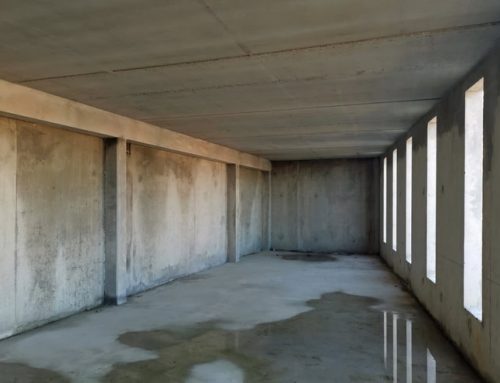
The Hidden Dangers of an Idle Construction Site
When work stops, construction sites become increasingly vulnerable to loss.
Fire Risks
Idle sites may contain:
- Temporary power systems
- Electrical equipment
- Combustible debris
- Flammable materials
Without daily oversight, a small fire can quickly escalate into a major loss before detection or suppression occurs.
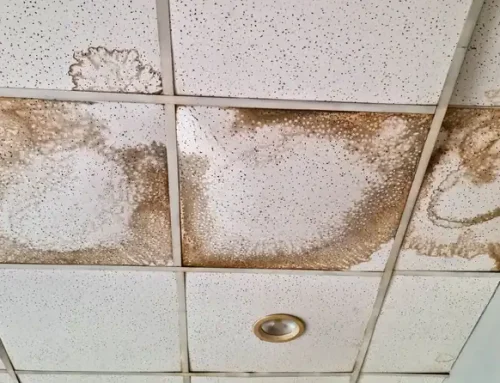
Property Deterioration
Partially completed structures are especially susceptible to:
- Water intrusion
- Mold growth
- Wind damage
- Freeze-thaw cycles
- Structural deterioration
The longer a project remains exposed to the elements, the greater the risk of costly repairs.
Theft and Vandalism
Construction equipment and building materials remain attractive targets for thieves.
Commonly stolen items include:
- Copper wiring
- Tools
- HVAC equipment
- Generators
- Heavy machinery
- Building materials
Reduced site activity often increases opportunities for criminal activity.
Premises Liability Claims
Even when construction has stopped, site owners and contractors remain responsible for maintaining a safe environment.
Trespassers, vandals, and unauthorized visitors who are injured on-site may still create liability concerns for project stakeholders.
Best Practices for Securing an Idle Construction Site
Proactive site management can help reduce losses during project interruptions.
Maintain Security Systems
Ensure that the site remains protected with:
- Security cameras
- Alarm systems
- Motion-activated lighting
- Perimeter fencing
- Controlled access points
Protect Valuable Equipment
Remove or securely store:
- High-value tools
- Equipment
- Building materials
- Flammable products
Off-site storage may be appropriate in some situations.
Document Project Assets
Keep updated records of:
- Equipment inventories
- Material inventories
- Serial numbers
- Site photographs
Accurate documentation can streamline insurance claims if a loss occurs.
Weatherproof Structures
Protect unfinished buildings by:
- Covering exposed openings
- Installing temporary barriers
- Securing roofing systems
- Managing water drainage
These measures can help prevent weather-related deterioration.
Conduct Regular Inspections
Routine inspections help identify security issues, maintenance concerns, and developing hazards before they become costly problems.
Contract Risks Associated With Construction Delays
Insurance is only one piece of the puzzle. Delays can also trigger significant contractual obligations.
Liquidated Damages
Many construction contracts include liquidated damages clauses that establish financial penalties when project deadlines are missed.
These clauses typically require contractors to pay a predetermined daily amount until the project reaches completion.
Because liquidated damages result from contractual obligations rather than physical property damage, builders risk insurance generally does not cover these penalties.
Review Key Contract Provisions
Construction companies should carefully examine:
- Force majeure clauses
- Extension-of-time provisions
- Notice requirements
- Indemnification agreements
- Delay responsibility provisions
Understanding these terms can help reduce disputes and clarify financial responsibilities when projects encounter delays.
Evaluate Wrap-Up Insurance Programs
Companies using owner-controlled insurance programs (OCIPs) or contractor-controlled insurance programs (CCIPs) should review how project extensions affect:
- Coverage periods
- Policy expiration dates
- Completed operations coverage
- Tail coverage requirements
Failure to properly manage these programs can create costly coverage gaps.
Tips for Managing Construction Delays Successfully
To minimize risk during project interruptions:
✅ Notify insurers immediately about significant delays
✅ Review builders risk coverage and policy expiration dates
✅ Assess soft cost and delay-in-completion coverage options
✅ Secure idle jobsites with enhanced security measures
✅ Protect unfinished structures from weather damage
✅ Maintain detailed inventory records
✅ Review contract obligations and penalty provisions
✅ Monitor wrap-up insurance and completed operations coverage
Final Thoughts
Construction project delays and stoppages can do more than disrupt schedules. They can create insurance coverage challenges, increase property and liability risks, and expose contractors to substantial financial penalties.
By proactively communicating with insurers, securing idle worksites, reviewing contract obligations, and maintaining proper coverage throughout the project lifecycle, construction companies can reduce losses and keep projects on track despite unexpected interruptions.