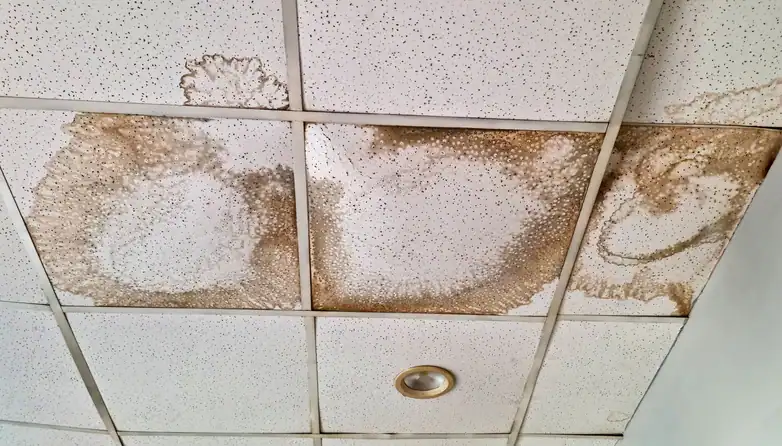
 Water damage can strike any commercial property without warning. Whether caused by a burst pipe, roof leak, flooding, or HVAC system failure, water intrusion can disrupt operations, damage property, and lead to costly repairs. Yet one of the most significant threats often emerges after the initial cleanup: mold growth.
Mold can begin developing within 24 to 48 hours of a water event, turning a manageable property claim into an expensive remediation project. Beyond property damage, mold can negatively impact indoor air quality, affect occupant health, and increase liability risks for business owners. Understanding how to respond quickly and effectively after water damage is essential to protecting your property, employees, and bottom line.
Why Commercial Buildings Are More Vulnerable to Mold
Commercial buildings face unique challenges when it comes to moisture control and mold prevention.
Many common building materials, including drywall, ceiling tiles, insulation, and concrete, are porous and can absorb water easily. Once moisture becomes trapped within these materials, mold can begin to grow rapidly.
Additional risk factors include:
- Large building footprints that make inspections more difficult
- Storage areas, mechanical rooms, and vacant spaces that receive limited oversight
- Complex HVAC systems that can spread moisture and mold spores throughout a building
- High occupancy levels that can amplify indoor air quality concerns
Because mold often develops in hidden areas, early detection and response are critical.
The First 72 Hours: A Critical Mold Prevention Window
The actions taken immediately after water damage can make the difference between successful drying and a major mold remediation project.
First 24 Hours: Stop the Water and Begin Drying
The initial focus should be on controlling the source of the water intrusion and removing excess moisture as quickly as possible.
Key steps include:
- Stop the water source if safe to do so
- Remove standing water immediately
- Deploy fans and commercial dehumidifiers
- Increase airflow throughout affected areas
- Inspect HVAC systems before restarting them
- Document all damage with photos and notes for insurance purposes
Maintaining detailed records, including moisture readings, contractor reports, and remediation efforts, can help support insurance claims and demonstrate proper mitigation.
Within 24-48 Hours: Remove Wet Materials
Once initial drying is underway, property managers should identify materials that cannot be effectively dried.
Materials commonly requiring replacement include:
- Ceiling tiles
- Fiberglass insulation
- Water-damaged drywall
- Certain flooring materials
During this stage, moisture mapping can help determine how far water has traveled behind walls, beneath floors, and into hidden spaces.
Continuous dehumidification remains essential to reduce moisture levels and prevent mold growth.
Within 48-72 Hours: Assess for Mold Risks
After two to three days, moisture levels should be evaluated to determine if drying efforts have been successful.
If materials remain wet or visible mold is present, more extensive remediation may be required.
Potential actions include:
- Removing saturated drywall, carpeting, and insulation
- Isolating affected areas using containment barriers
- Blocking HVAC vents to prevent spore migration
- Using HEPA vacuuming and specialized cleaning methods
- Engaging professional mold remediation contractors when necessary
Following restoration best practices and industry standards can help prevent contamination from spreading throughout the building.
Ongoing Monitoring Is Essential
Even after professional drying is complete, mold issues can surface later if residual moisture remains.
Property managers should continue monitoring affected areas for:
- Musty odors
- Water stains
- Discoloration on walls or ceilings
- Elevated indoor humidity levels
- Occupant complaints about air quality
Routine inspections can help identify developing problems before they become major remediation projects.
Understanding Insurance Coverage for Mold Damage
Organizations should not assume mold remediation is fully covered under their commercial property insurance policy.
Many policies:
- Exclude mold damage entirely
- Limit the amount available for mold remediation
- Cover mold only when it results from a sudden and accidental event
Gradual issues such as slow roof leaks, ongoing condensation, or deferred maintenance are typically less likely to qualify for coverage.
Businesses should also be aware of potential costs that may not be covered, including:
- Business interruption losses
- Tenant relocation expenses
- Additional cleanup costs
- Reduced property value
In addition to property concerns, mold-related allegations from employees, tenants, or visitors may create liability exposures.
Reviewing property and liability policies with an insurance professional can help identify gaps in coverage and determine whether additional endorsements may be needed.
Best Practices for Preventing Mold After Water Damage
To minimize mold risks following a water event, commercial property owners should:
✅ Respond immediately to water intrusion
✅ Remove standing water as quickly as possible
✅ Dry affected materials thoroughly within 48 hours
✅ Inspect hidden areas for trapped moisture
✅ Monitor humidity and indoor air quality
✅ Maintain HVAC systems regularly
✅ Document all mitigation efforts
✅ Engage qualified restoration professionals when necessary
Key Takeaways
Water damage doesn’t end when the water is removed. Without a rapid and structured response, mold can develop quickly, increasing repair costs, disrupting operations, and creating potential health and liability concerns.
By acting within the first 72 hours, implementing effective drying measures, and maintaining ongoing monitoring, organizations can significantly reduce the likelihood of mold-related losses and keep their commercial properties safe and operational.
Need help managing property risks and insurance exposures? Contact us today to learn more about mold prevention, risk management strategies, and commercial insurance solutions.