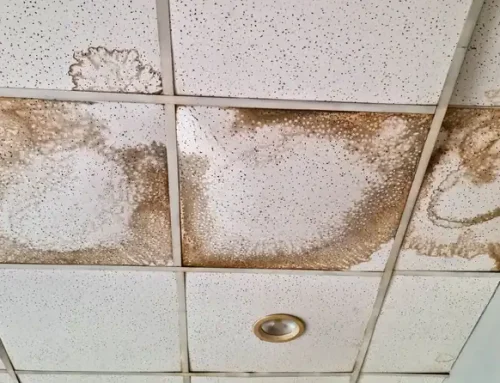
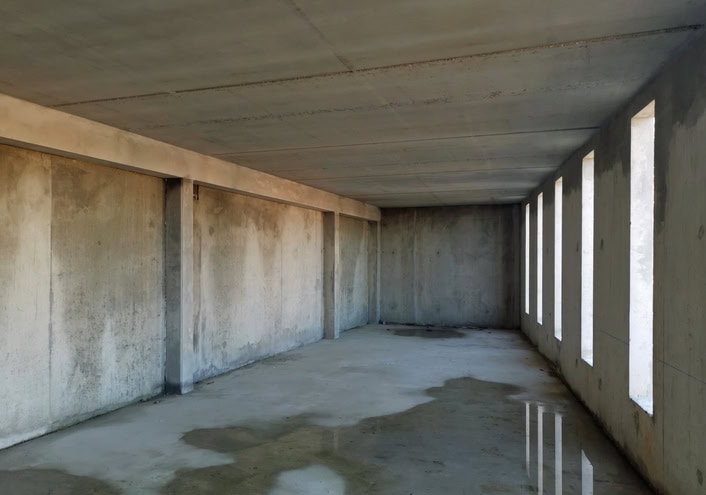
 Water damage remains one of the leading causes of commercial property losses, and a building’s foundation is often one of the most vulnerable areas. Because concrete is naturally porous, moisture can gradually penetrate below-grade structures, leading to hidden damage that threatens building integrity, operations, and long-term asset value.
Unlike burst pipes or severe weather events that create immediate and obvious problems, foundation water intrusion often develops slowly. Small cracks caused by settlement, shrinkage, and temperature fluctuations can allow water to seep into the structure over time. Left unaddressed, this moisture can contribute to structural deterioration, inventory damage, equipment corrosion, mold growth, and indoor air quality concerns.
In this article, we’ll explore how water enters commercial foundations, the differences between dampproofing and waterproofing, and the best strategies for protecting your property from costly moisture-related damage.
Why Foundation Waterproofing Matters for Commercial Buildings
Many commercial property owners underestimate the risks associated with below-grade water intrusion. While some types of water damage may be covered by insurance, groundwater seepage and gradual moisture damage are often excluded from standard commercial property policies.
This means building owners may face significant out-of-pocket expenses for repairs, remediation, and operational disruptions. Investing in proper foundation waterproofing can help:
- Protect structural integrity
- Prevent costly repairs
- Reduce mold and indoor air quality issues
- Safeguard inventory and equipment
- Extend the lifespan of building systems
- Support business continuity and operational resilience
How Water Enters a Commercial Building Foundation
Understanding how water reaches a foundation is the first step toward preventing damage.
Hydrostatic Pressure
When soil surrounding a foundation becomes saturated with water, hydrostatic pressure builds against foundation walls. This pressure can force water through small cracks, joints, and porous concrete surfaces.
Capillary Action
Even without significant water pressure, groundwater can migrate upward through concrete due to capillary action. Since concrete naturally contains tiny pores, moisture can gradually travel through the material and enter the building.
Poor Surface Water Management
In many cases, water problems begin above ground. Common drainage issues include:
- Overflowing or clogged gutters
- Improperly directed downspouts
- Excessive roof runoff
- Landscaping that slopes toward the building instead of away from it
These conditions concentrate water around the foundation and increase the likelihood of infiltration.
Foundation Vulnerabilities
Water can also enter through weak points in the foundation system, including:
- Construction joints
- Expansion joints
- Form-tie holes
- Utility penetrations
- Deteriorated sealants
- Existing foundation cracks
Dampproofing vs. Waterproofing: What’s the Difference?
While both systems are designed to help protect foundations from moisture, they provide very different levels of protection.
Dampproofing
Dampproofing is typically the minimum level of protection used on below-grade foundation walls.
It commonly consists of a bituminous coating applied to the exterior surface of the foundation and is intended to resist:
- Soil moisture
- Water vapor
- Normal groundwater conditions
Dampproofing helps slow moisture migration but is not designed to withstand hydrostatic pressure or continuous exposure to groundwater.
Waterproofing
Waterproofing provides a more robust solution and is specifically designed to prevent both water vapor and liquid water from penetrating below-grade structures.
A comprehensive waterproofing system may include:
- Waterproof membranes
- Protection boards
- Drainage systems
- Specialized joint sealants
- Footing drains
These systems are engineered to resist hydrostatic pressure and are often required by building codes for foundations located below the water table.
Why Many Older Buildings Are at Greater Risk
Many older commercial buildings were originally constructed with dampproofing rather than full waterproofing systems. As buildings age, changing site conditions, deteriorating materials, and evolving building uses can increase the risk of water intrusion.
For property owners considering upgrades, it’s important to understand that foundation waterproofing improvements are generally classified as capital improvements and may not be covered by commercial property insurance.
Commercial Foundation Waterproofing Options
There are several effective waterproofing strategies available for commercial properties.
-
Exterior Waterproofing Systems (Positive-Side Protection)
Exterior waterproofing is widely considered the most effective approach because it prevents water from reaching the foundation wall in the first place.
These systems typically include:
- Waterproof membranes applied to exterior foundation walls
- Protection boards
- Perimeter drainage systems
- Footing drains to relieve hydrostatic pressure
By stopping water before it enters the structure, exterior systems help provide long-term protection.
- Interior Waterproofing Systems (Negative-Side Protection)
When exterior excavation is impractical, interior waterproofing systems can help manage water after it enters the building.
Common components include:
- Interior drainage channels
- Collection systems
- Sump pumps
These solutions are often used in urban environments or densely developed sites where exterior access is limited.
- Crack Injection Repairs
Crack injection involves pumping specialized materials into foundation cracks under pressure.
Common materials include:
- Epoxy resins
- Polyurethane resins
While crack injection can effectively seal individual leaks, it is typically considered a supplemental repair method rather than a complete waterproofing solution.
- Protection and Drainage Boards
Drainage boards are often installed alongside waterproof membranes to:
- Protect membranes from damage during backfilling
- Create drainage pathways
- Direct water efficiently toward drainage systems
This additional layer helps improve the overall performance and longevity of the waterproofing system.
Warning Signs of Foundation Water Intrusion
Early detection can significantly reduce repair costs and prevent more extensive damage.
Property managers should regularly inspect below-grade areas for signs such as:
Efflorescence
White, chalky deposits on concrete or masonry surfaces often indicate that water is moving through the structure and leaving behind mineral salts.
Recurring Dampness
Persistent damp spots or moisture buildup may signal ongoing groundwater infiltration.
Water Stains
Stains appearing after heavy rain events can indicate foundation leakage.
Mold Growth
Continual moisture creates ideal conditions for mold growth and indoor air quality concerns.
Foundation Cracks
Watch for:
- Horizontal cracks
- Vertical cracks
- Stair-step cracks
These can indicate foundation movement or moisture-related structural stress.
Sticking Doors and Windows
Doors or windows in below-grade areas that suddenly become difficult to open or close may signal foundation movement.
Foundation Waterproofing Maintenance Best Practices
Ongoing maintenance plays a critical role in preventing water intrusion.
Consider implementing these preventive measures:
Keep Gutters and Drains Clear
Remove debris regularly to ensure water flows properly away from the building.
Test Sump Pumps
Inspect and test sump pumps before storm season and periods of increased rainfall.
Inspect Sealants and Penetrations
Regularly evaluate utility penetrations, joints, and foundation sealants for deterioration.
Maintain Proper Site Grading
Ensure landscaping and grading slope away from the foundation to prevent water accumulation.
Schedule Routine Inspections
Regular professional inspections can identify developing issues before they become costly repairs.
Protect Your Commercial Property with Proactive Waterproofing
Foundation water damage often develops slowly and remains hidden until significant problems emerge. By understanding the causes of water intrusion, selecting the right dampproofing or waterproofing solution, and maintaining effective drainage systems, commercial property owners can greatly reduce their risk of structural damage and operational disruptions.
Investing in foundation protection today can help preserve building value, protect critical assets, and support long-term business continuity.
Need guidance on reducing foundation water risks at your commercial property? Contact our team today to learn more about effective waterproofing solutions and proactive risk management strategies.