
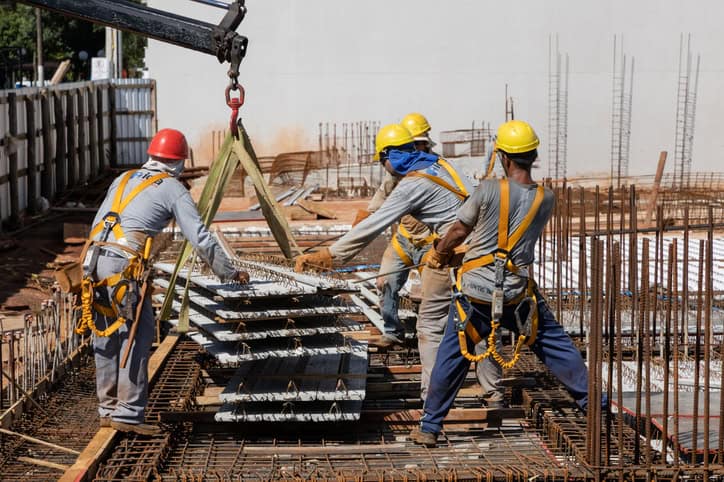
 The construction industry labor shortage continues to be a major challenge, affecting project timelines, infrastructure development and long-term business growth. While construction demand remains strong, the shortage of skilled construction workers is driven by deeper workforce and demographic trends—not just temporary market changes.
If left unresolved, these labor shortages can lead to project delays, higher costs, safety concerns and operational disruptions. This article explores the key drivers behind the shortage, the risks facing construction companies and practical strategies to stay competitive.
What’s Driving the Skilled Labor Shortage in Construction?
The current labor shortage in construction is caused by several long-term structural factors:
- Aging Workforce and Retirement
A significant portion of the construction workforce—including foremen, supervisors and skilled tradespeople—is nearing retirement. As these workers exit, companies lose not only labor capacity but also institutional knowledge and leadership experience.
According to the Associated Builders and Contractors (ABC):
- The industry will need approximately 349,000 new workers in 2026
- And 456,000 additional workers in 2027, beyond normal hiring levels
- Limited Interest From Younger Workers
Younger workers are often discouraged from entering construction due to:
- Physically demanding job requirements
- Perceptions of lower pay or limited career growth
- Competition from other industries offering more flexibility
This weakens the talent pipeline and makes workforce replacement more difficult.
- Regional and Immigration Impacts
Labor shortages vary by region and can be especially severe in areas that rely on immigrant labor. Changes in immigration policy or enforcement can further reduce workforce availability.
- Organizational Challenges
Internal factors also play a critical role. Companies that:
- Underinvest in training and development
- Offer noncompetitive wages or benefits
- Lack partnerships with trade schools and apprenticeship programs
may struggle more to attract and retain skilled workers.
Risks Construction Companies Face From Labor Shortages
A shortage of skilled labor exposes construction firms to several operational and financial risks:
💰 Cost Increases and Margin Pressure
To attract workers, companies may need to increase wages and benefits. In fixed-price contracts, these costs can reduce profitability.
⏱ Project Delays and Reduced Productivity
Shortages in skilled trades like electricians and welders can delay project schedules, particularly when tasks depend on sequential completion.
🔧 Quality Issues and Rework
Reliance on less experienced workers can lead to:
- Lower quality work
- Increased errors
- Costly rework and potential claims
⚠️ Safety Risks and Liability
Inexperienced workers may be unfamiliar with jobsite hazards, increasing the risk of:
- Workplace injuries
- Workers’ compensation claims
- Liability exposure
📉 Growth Limitations
Limited staffing can force companies to decline projects, restricting business growth and competitiveness.
Risk Management Strategies for Construction Labor Shortages
Construction firms can take proactive steps to address workforce challenges and strengthen resilience:
- Improve Recruiting and Onboarding
- Streamline hiring processes
- Enhance onboarding programs
- Engage employees early to improve retention
- Offer Competitive Pay and Benefits
Attract talent with:
- Competitive wages
- Flexible scheduling options
- Career advancement pathways
- Health and wellness programs
- Invest in Training and Workforce Development
- Implement upskilling and apprenticeship programs
- Provide clear career progression opportunities
- Build internal talent pipelines
- Develop Future Talent Pipelines
- Partner with trade schools, colleges and community groups
- Promote construction careers to younger audiences
- Address misconceptions about the industry
- Strengthen Jobsite Safety
- Implement strong safety protocols
- Provide ongoing training and leadership support
- Foster a culture of safety to improve retention
- Leverage Construction Technology
Technology can help offset labor shortages, including:
- Prefabrication and modular construction
- Robotics and automation
- AI-driven project planning tools
Tracking Construction Workforce Trends
To stay ahead of labor shortages, companies should monitor key trends such as:
- Competition from industries like energy, logistics and manufacturing
- Retirement rates within the workforce
- Growth in automation and digital construction methods
- Availability of training programs and apprenticeship pipelines
Tracking these metrics can help businesses anticipate workforce needs and plan accordingly.
Conclusion: Addressing the Construction Labor Shortage
The skilled labor shortage in construction is an ongoing challenge—but not an unsolvable one. By investing in workforce development, strengthening recruitment and retention strategies, and embracing technology, construction firms can:
- Improve operational efficiency
- Reduce risk exposure
- Position themselves for long-term growth
Organizations that take a proactive approach today will be better equipped to meet future demand and remain competitive in a tightening labor market.
Need help managing risk in the construction industry?
Contact us today for tailored risk management strategies and insurance solutions designed for your business.