Roofing is a highly competitive yet rewarding industry that requires skill, dedication, and a commitment to quality workmanship. Contractors spend years building strong reputations and loyal customer relationships by delivering durable roofing solutions that stand the test of time. However, operating a roofing business comes with significant challenges. Beyond managing daily operations and maintaining profitability, contractors must also navigate a wide range of risks, including property damage, equipment breakdown, environmental exposures, transportation hazards, employee injuries, and crime-related losses.
Understanding these exposures is essential to developing an effective risk management and insurance strategy. The following overview highlights key areas of risk that roofing contractors should consider.
Property Risks
While incidents that occur on a customer’s property are often covered by a general liability policy, roofing contractors also face significant property exposures at their offices, warehouses, and workshops. Common threats include electrical malfunctions, fire, severe weather, natural disasters, and damage caused by flammable materials. Contractors who store roofing materials or heat bitumen on-site may face an increased risk of fire-related losses.
Liability and Bodily Injury Exposures
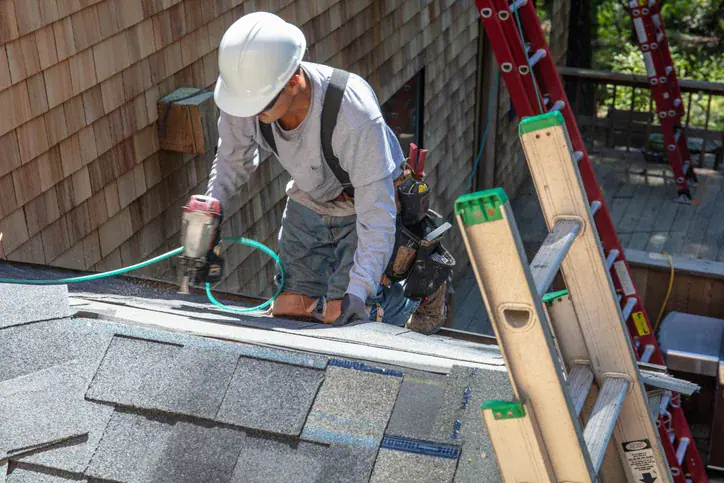
Despite strong safety practices, accidents can happen. Roofing operations present substantial bodily injury risks due to the nature of the work. Slips, trips, and falls are common hazards, and because roofers frequently work at elevated heights with tools and materials, falling objects can pose serious dangers to people below. Injuries involving employees, clients, or third parties can result in significant medical expenses, legal costs, and liability claims.
Commercial Auto Exposures
Vehicles play a critical role in roofing operations, whether transporting workers, tools, equipment, or materials between job sites. As a result, roofing contractors face ongoing automobile liability exposures. Accidents involving company vehicles can lead to substantial claims, and businesses that allow employees to use personal vehicles for work purposes may require additional coverage beyond a standard commercial auto policy.
Completed Operations Liability
Even after a project is finished, contractors remain responsible for the quality of their work. If completed roofing work leads to property damage or bodily injury, the contractor may face costly claims or legal action. Completed operations coverage can provide important protection against these post-project liabilities.
Equipment Breakdown
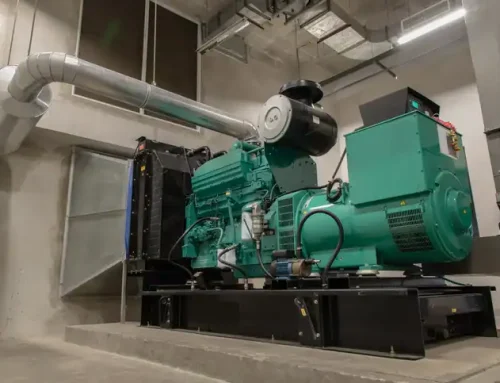
Roofing projects depend on specialized equipment to operate efficiently and safely. Mechanical failures or equipment breakdowns can disrupt operations, delay project timelines, increase expenses, and potentially result in lost contracts. Adequate protection against equipment-related losses is essential for maintaining business continuity.
Inland Marine Exposures
Roofing contractors regularly transport tools, equipment, and materials between locations. Property that is in transit, temporarily stored at job sites, or used at multiple locations may be exposed to damage, theft, or loss. Materials can be damaged by shifting loads, vehicle accidents, weather conditions, or handling incidents. Theft of valuable tools and supplies can also create significant financial setbacks.
Environmental Liability
The removal and disposal of roofing materials, waste bitumen, and other potentially hazardous substances can create environmental exposures. Pollution incidents may affect surrounding properties and communities, resulting in costly cleanup expenses, regulatory concerns, and reputational damage.
Business Interruption
Consistent operations and reliable cash flow are essential for any roofing business. Events such as fires, severe weather, equipment failures, or material shortages can interrupt operations and impact revenue. In some cases, prolonged disruptions can damage customer relationships and threaten the long-term stability of the business.
Crime Exposures
Roofing contractors often work in changing environments where valuable tools, equipment, and materials may be left unattended. These conditions can increase the risk of theft, vandalism, and employee dishonesty. Because worksite locations change frequently, crime exposures can vary significantly from project to project.
Workers’ Compensation Risks
Roofing is one of the most physically demanding trades, making workplace injuries a significant concern. Common causes of workers’ compensation claims include falls from roofs or scaffolding, heat-related illnesses, equipment accidents, slips and falls, and musculoskeletal injuries caused by repetitive tasks. Even routine activities such as climbing ladders or installing shingles can result in costly injuries and lost productivity.
Protecting Your Business
While effective risk management practices can significantly reduce the likelihood of losses, no business can eliminate risk entirely. For that reason, it is important to work with a trusted insurance professional who understands the unique challenges roofing contractors face and can help develop a comprehensive insurance program tailored to your operations.
For more information about protecting your roofing business and addressing your specific insurance needs, contact the professionals at Horst Insurance today.