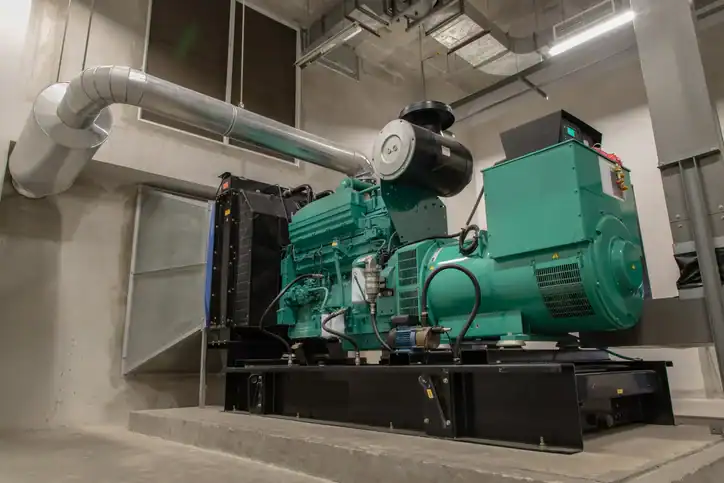
When severe weather, fallen trees, equipment failures, or other unexpected events disrupt power, businesses can face more than just temporary inconvenience. Extended outages can halt operations, interrupt customer service, damage inventory, and create safety concerns for employees and visitors. For many organizations, backup generators serve as a critical safeguard, providing an alternative power source when the electrical grid goes down.
However, backup generators introduce risks of their own. Improper installation, inadequate fuel management, poor maintenance practices, and regulatory noncompliance can expose businesses to property damage, liability claims, and operational failures. Understanding these risks and implementing proper controls can help organizations maximize generator reliability while minimizing potential exposures.
Why Backup Generators Matter
Power outages can have far-reaching consequences across nearly every industry. Businesses may be unable to process transactions, operate critical equipment, maintain communications, or protect temperature-sensitive products. Healthcare facilities, manufacturers, data centers, and retail operations often rely heavily on backup power to maintain essential functions during emergencies.
A properly designed and maintained generator system supports business continuity by helping organizations:
- Maintain critical operations during outages
- Protect inventory and equipment
- Improve employee and customer safety
- Reduce downtime and financial losses
- Enhance emergency preparedness
While these benefits are significant, organizations should recognize that standby power systems require ongoing attention to ensure they function safely and effectively when needed most.
Generator Placement and Installation Best Practices
The location of a backup generator plays a major role in both safety and performance.
One of the primary concerns is preventing carbon monoxide exposure. If generators are installed too close to doors, windows, vents, or air intake systems, exhaust gases can enter occupied spaces and create dangerous conditions.
When evaluating installation locations, businesses should:
- Maintain appropriate clearance from building openings
- Position exhaust systems away from occupied areas
- Follow manufacturer installation guidelines
- Comply with applicable fire and building codes
- Consider authority having jurisdiction (AHJ) requirements
Generators should also be installed on stable, noncombustible surfaces, such as reinforced concrete pads. In areas susceptible to flooding, elevating equipment above anticipated flood levels can help prevent water damage and improve reliability during emergencies.
Careful planning during installation can significantly reduce both safety risks and future maintenance concerns.
Fuel Storage: A Critical Component of Reliability
A backup generator is only as reliable as its fuel supply.
Diesel and propane remain the most common fuel sources for standby generators, but each comes with specific storage and handling requirements. Businesses must ensure they maintain sufficient fuel reserves while complying with applicable environmental and safety regulations.
Key considerations include:
Diesel Fuel Storage
Organizations using diesel-powered generators should evaluate:
- Storage tank capacity
- Leak prevention measures
- Spill response procedures
- Environmental compliance obligations
- Secondary containment requirements
Fuel spills can create environmental liabilities and cleanup costs, making proper tank management essential.
Propane Storage
For propane-fueled generators, businesses should ensure:
- Tanks are properly installed
- Separation distances are maintained
- Storage areas remain protected from damage
- Safe handling procedures are followed
Regular inspections can help identify potential issues before they become safety hazards.
Planning for Extended Outages
Organizations often focus on fuel storage capacity but overlook fuel replenishment during prolonged outages. Severe weather events can disrupt supply chains and delay fuel deliveries for days.
Business continuity planning should address:
- Expected generator runtime
- Emergency fuel vendors
- Delivery contingencies
- On-site fuel monitoring processes
Having a replenishment strategy in place can prevent generators from becoming inoperable during extended emergencies.
Testing and Maintenance Are Essential
Even the best backup generator provides little value if it fails during an outage.
Routine testing and maintenance help ensure systems perform as expected under real-world conditions. Without regular operation and inspection, mechanical problems can go undetected until an emergency occurs.
A comprehensive maintenance program should include:
- Scheduled generator exercise testing
- Automatic transfer switch testing
- Load testing when appropriate
- Battery inspections
- Oil and fluid checks
- Cooling system maintenance
- Fuel quality monitoring
Diesel fuel, in particular, can degrade over time, potentially causing engine performance issues or generator failure. Periodic fuel testing and treatment can help preserve fuel quality and improve reliability.
Working with qualified service providers can help businesses establish testing schedules that align with manufacturer recommendations and applicable standards.
The Importance of Documentation
Maintenance records are often overlooked but play an important role in both risk management and claims support.
Organizations should maintain documentation of:
- Inspections
- Testing activities
- Preventive maintenance
- Repairs
- System modifications
- Fuel management activities
Detailed records demonstrate that equipment has been properly maintained and can be valuable if an equipment failure contributes to a business interruption or insurance claim.
Risk Management Tips for Businesses
To reduce generator-related property, liability, and operational risks, organizations should:
✅ Verify that installation locations meet code and manufacturer requirements
✅ Keep generators and fuel storage areas free of combustible materials and vegetation
✅ Establish a documented testing and maintenance schedule
✅ Inspect fuel quality regularly
✅ Confirm fuel storage systems meet environmental and safety requirements
✅ Train employees on proper fueling and emergency procedures
✅ Develop a fuel replenishment plan for extended outages
✅ Maintain accurate maintenance and inspection records
These practices can improve reliability while helping businesses avoid costly incidents and compliance concerns.
Final Thoughts
Backup generators are an important part of a comprehensive business continuity strategy, providing critical support when power outages threaten operations. However, achieving reliable performance requires more than simply installing a generator and hoping it works when needed.
Proper placement, responsible fuel management, routine testing, ongoing maintenance, and strong risk management practices all contribute to safer and more dependable standby power systems. By taking a proactive approach, businesses can reduce property and liability exposures while ensuring their operations remain resilient when the unexpected occurs.
Investing in generator preparedness today can make all the difference when the next outage strikes.