
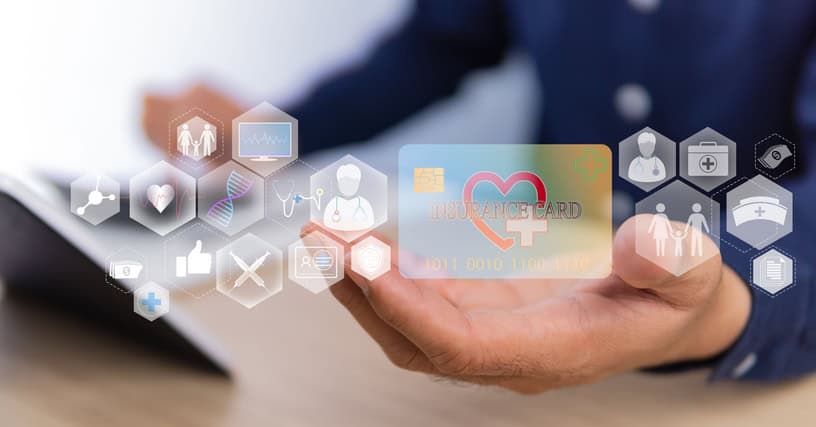
 For decades, carrying a physical health insurance card was a routine part of visiting a doctor, filling a prescription, or checking into a healthcare facility. Today, that tradition is rapidly changing as major health insurance carriers embrace digital technology and move toward electronic insurance ID cards.
Companies like Cigna and UnitedHealthcare are leading the shift to digital-first member identification, making it easier for individuals to access coverage information directly from their smartphones. As more healthcare services become mobile-friendly, digital insurance cards are quickly becoming the new standard.
In this article, we’ll explore why health insurers are making the switch, how digital insurance ID cards work, and what members need to know about managing their coverage in a digital world.
Why Health Insurance Companies Are Going Digital
Health insurance providers are increasingly replacing mailed plastic cards with digital ID cards available through mobile apps and online member portals.
The transition is driven by several important benefits for both carriers and policyholders.
Lower Administrative Costs
Printing, packaging, and mailing millions of insurance cards every year creates significant administrative expenses. By delivering ID cards digitally, insurers can reduce operational costs, helping improve efficiency and potentially helping to control long-term plan expenses.
Instant Access to Coverage Information
One of the biggest advantages of digital insurance cards is immediate availability. New members can often access their ID card as soon as enrollment is complete rather than waiting days or weeks for a card to arrive in the mail.
Automatic Updates
Insurance plans can change throughout the year due to coverage adjustments, network changes, or updated member information. Digital cards update automatically, ensuring members always have the most accurate and current coverage details available.
Reduced Risk of Lost Cards
Traditional insurance cards can easily be misplaced, forgotten at home, or damaged. Digital cards stored on a smartphone are typically more accessible whenever they’re needed.
Environmentally Friendly Option
Moving away from plastic and paper cards helps reduce waste and lowers the environmental impact associated with manufacturing and shipping physical materials.
How Digital Insurance ID Cards Work
Most major health insurance carriers now provide digital ID cards through their mobile applications and online member accounts.
As mobile healthcare tools become increasingly popular, more members are turning to smartphone apps to manage benefits, access claims information, find providers, and review coverage details.
Setting up a digital health insurance card is typically simple and only takes a few minutes.
- Download Your Insurance Carrier’s App
Search for your health insurance provider’s official mobile app and create or log in to your member account using your policy information.
- Save Your Card to Your Mobile Wallet
Many insurers allow members to store their ID cards directly in:
- Apple Wallet
- Google Wallet
- Smartphone health apps
This allows quick access even when internet connectivity is limited.
- Present Your Card During Appointments
Most healthcare providers, hospitals, clinics, and pharmacies can view, scan, or manually enter information from a digital ID card just as they would from a plastic version.
- Manage Coverage for Dependents
Many carrier apps allow families to access and manage digital ID cards for covered spouses and dependents under the same account.
Benefits of Digital Insurance ID Cards for Members
The transition to digital insurance credentials offers several practical advantages for consumers.
Faster Medical Check-Ins
Front desk staff and pharmacy personnel can quickly review membership information directly from a smartphone screen, often speeding up the check-in process.
Coverage Access From Day One
New employees and newly enrolled members can often access proof of insurance immediately after enrollment, reducing delays in receiving care.
Easy Access Anytime
Because digital cards are stored electronically, members can retrieve their insurance information whenever needed without searching for a physical card.
No Additional Cost
Digital insurance ID cards are generally included as part of standard health plan benefits and are available at no extra charge through a carrier’s app or member portal.
Better Convenience for Traveling
Having insurance information stored on a mobile device can be especially valuable while traveling, helping members access healthcare services without carrying extra documents.
Are Physical Insurance Cards Going Away Completely?
Not necessarily.
While many insurers are encouraging digital adoption, most carriers still offer physical insurance cards upon request. In some regions, carriers may continue mailing cards automatically depending on regulations, plan requirements, or member preferences.
For individuals who prefer traditional cards, printing or requesting a replacement card remains an option with many health plans.
Important Things to Consider Before Going Fully Digital
Although digital insurance cards are widely accepted, there are a few important considerations.
Verify Acceptance with Providers
Most healthcare facilities accept digital cards, but some smaller medical offices or pharmacies may still prefer a printed version. If you’re unsure, contact the provider before your appointment.
Keep a Backup Copy
Saving a screenshot of your insurance card or recording your member ID number can help if your phone battery dies or your device becomes unavailable.
Request a Paper Card When Needed
If you prefer a physical copy, request one well before an upcoming appointment to ensure it arrives on time.
Protect Your Personal Information
Because digital ID cards contain sensitive information, be sure to secure your phone with password protection, facial recognition, or biometric authentication when available.
The Future of Health Insurance Member IDs
Digital insurance ID cards represent a broader trend toward mobile-first healthcare experiences. As insurers continue investing in digital tools, members can expect faster access to coverage information, easier benefit management, and fewer administrative hurdles.
For most health plan members, the transition simply means downloading a carrier app and gaining instant access to proof of coverage whenever and wherever it’s needed. And for those who still prefer a physical card, many insurers continue to provide that option, making the transition both convenient and flexible.
Final Thoughts
The move to digital insurance ID cards is transforming how people access and manage their health coverage. With benefits like instant access, automatic updates, faster provider check-ins, and reduced paper waste, digital cards offer a more convenient and efficient experience for today’s healthcare consumers.
If you have questions about accessing your health insurance ID card digitally, contact your insurance carrier or HR department for guidance and account setup assistance.