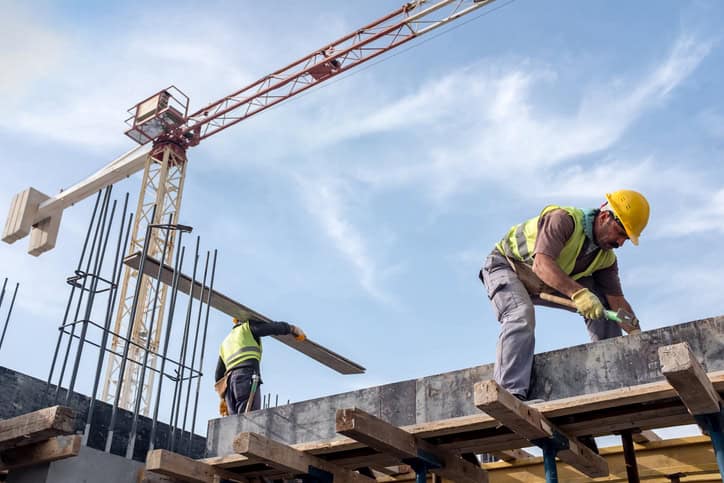
Construction projects are inherently complex, involving tight schedules, multiple stakeholders, heavy equipment, and constantly changing job sites. This complexity increases contractors’ exposure to construction risks, including operational disruptions, financial losses, and liability claims. While construction insurance plays a critical role in protecting against unexpected losses, it is most effective when paired with proactive risk management strategies designed to reduce exposures before incidents occur.
Below are five of the most significant risks facing construction contractors today—along with practical insurance and risk management considerations.
1. Worksite Injuries and Worker Safety Risks
Construction site injuries remain one of the leading risk factors in the industry. According to OSHA, the most common causes of serious injuries and fatalities include falls, caught-in or between hazards, struck-by incidents, and electrocution. Beyond the human cost, these incidents can drive up workers’ compensation claims, trigger regulatory fines, and delay project timelines.
While workers’ compensation insurance helps cover medical expenses and wage replacement, frequent claims can increase premiums and restrict access to favorable coverage terms. Contractors can reduce injury risk by eliminating hazards where possible, enforcing PPE requirements, and delivering consistent safety training related to working at heights, operating heavy machinery, and managing vehicle traffic on-site.
2. Third-Party Liability and Property Damage
Construction activities can unintentionally damage neighboring properties or injure third parties, such as pedestrians, tenants, or visitors. Excavation work may strike underground utilities, while structural work can impact adjacent buildings. In some cases, construction liability claims arise months or years after project completion due to defective work.
Commercial general liability (CGL) insurance helps protect contractors from third-party bodily injury and property damage claims, but policies should include completed operations coverage to address post-construction exposures. Risk can be further reduced by conducting thorough pre-construction assessments, identifying underground services, controlling public access, and implementing adequate signage and barriers.
3. Equipment Theft, Loss, and Breakdown
Construction equipment is frequently transported between job sites or stored in unsecured locations, making it vulnerable to theft, vandalism, and fire. Standard commercial property insurance may not cover equipment once it leaves a contractor’s primary location.
Contractors’ equipment insurance (typically written under inland marine coverage) provides protection for owned, leased, or rented equipment while in transit or stored off-site. Contractors can also reduce losses by securing equipment, using GPS tracking, and maintaining accurate inventories. Regular inspections and preventive maintenance programs are essential to minimizing equipment breakdowns that can stall projects and drive up costs.
4. Subcontractor and Contractual Risk
Because construction relies heavily on subcontractors, general contractors can be exposed to claims arising from defective or negligent work performed by others. Strong contract language is critical to managing subcontractor risk, including hold-harmless and indemnification provisions that shift liability appropriately.
Contractors should also require subcontractors to name them as additional insureds on their CGL policies, helping protect the contractor’s own coverage limits. Reviewing certificates of insurance and verifying endorsements before work begins is essential. For large or complex projects, wrap-up insurance programs (OCIPs or CCIPs) can centralize coverage for multiple parties under a single policy.
5. Project Delays and Financial Exposure
Construction delays caused by weather, supply chain disruptions, permitting issues, or design errors can lead to significant financial exposure. Contracts often address these risks through liquidated damages clauses or penalty provisions tied to missed deadlines. Project owners may also require surety bonds to guarantee contract performance.
From an insurance perspective, professional liability insurance can respond to losses arising from design or planning errors, while builders’ risk insurance covers physical damage to buildings, materials, and equipment during construction from events such as fire, theft, or vandalism. Proactively improving supply chain visibility and assigning clear accountability for materials can further reduce delay-related risks.
Conclusion: Building a Strong Construction Risk Strategy
Every construction project carries unique risks, but contractors who combine comprehensive construction insurance coverage with proactive risk management practices are better positioned to protect their people, projects, and profitability. Regularly reviewing insurance programs and contractual arrangements can help ensure coverage aligns with evolving exposures.
Contact Horst Insurance to learn more about construction risk management strategies and tailored insurance solutions designed to support your operations.